

 alt=""
 The State Council Information Office recently held a series of themed press conferences on “Promoting High-Quality Development.” At the event, Li Xingqian, Director of the Department of Foreign Trade at the Ministry of Commerce, stated that fostering new drivers of foreign trade is a proactive move in line with market rules and international demand. The goal is to optimize the structure of foreign trade products, improve trade efficiency, and better meet the production and living needs of end users through deepening international cooperation and supporting supply chain innovation.

Li Xingqian introduced that, based on the performance of imports and exports in the first half of the year, China’s foreign trade has made positive progress in four key areas, which are also the focal points for fostering new drivers of foreign trade.

Promoting the active two-way development of cross-border e-commerce. Cross-border e-commerce, leveraging new technologies and adapting to new demands, has become a vital force in foreign trade development and a consumer-friendly business model favored by consumers worldwide. In the first half of this year, approximately 9 million small parcels traveled daily between China and countries around the world. Chinese products can be swiftly delivered to consumers in various countries, while an increasing number of high-quality products are entering the Chinese market through cross-border e-commerce platforms. Moving forward, in the field of cross-border e-commerce, there will be further strengthening of industry exchanges, support for supply and demand matching, active participation in international cooperation, and continued advancement of the construction of comprehensive cross-border e-commerce pilot zones.
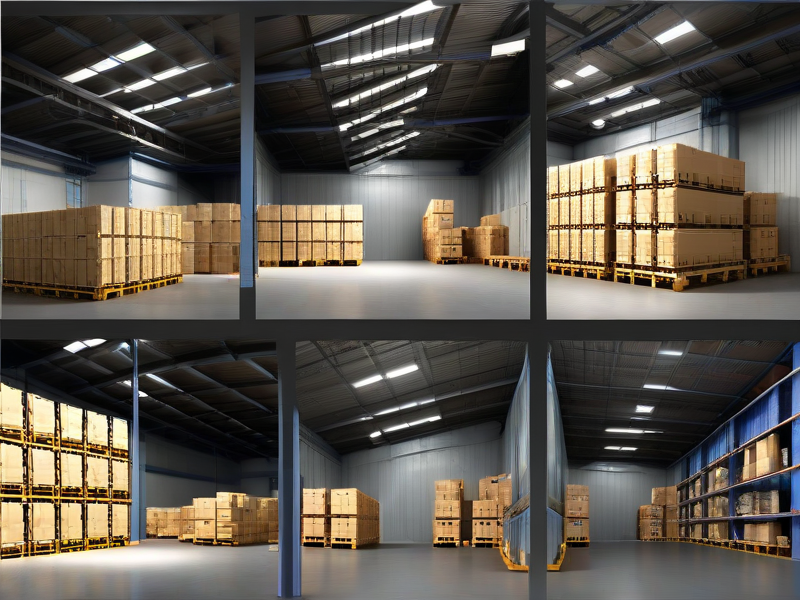
Developing green trade is becoming a trend. Green trade encompasses the trade of green and low-carbon products and services, as well as the green and low-carbon transformation of various links in the foreign trade supply chain, including R&D, procurement, manufacturing, logistics, and marketing. Next, the Ministry of Commerce will study and introduce special policies for the development of green trade, gradually establish and improve the green trade support and guarantee system, create a favorable international environment, and enhance the green and low-carbon development capabilities of foreign trade enterprises.

The pace of trade digitalization is accelerating. Since the beginning of this year, the Ministry of Commerce and relevant departments have actively promoted the application of digital technology in the trade field, with the paperless release ratio at some ports in China reaching 90%. Next, efforts will be made to support localities and enterprises in exploring paths for achieving full-chain trade digitalization, guide foreign trade entities to proactively undergo digital transformation, improve the trade digitalization system, and continue to deepen cooperation and exchanges in the field of international trade.

Expanding imports provides impetus and opportunities for trade partners. Actively expanding imports is a major initiative for China to autonomously expand its openness, an important contribution to world economic development, and a proactive responsibility as a major country. China continues to improve the facilitation level of import trade, with the import scale reaching 9 trillion yuan in the first half of this year, an increase of 5.2% year-on-year. Moving forward, efforts will be made to continue leveraging important exhibition platforms such as the China International Import Expo, the China International Consumer Products Expo, and the import exhibitions of the China Import and Export Fair, advance the negotiation process of free trade agreements with relevant countries and regions, support the expansion of imports of more high-quality products, and make China’s large market a great opportunity for the world.



 Logistics line quotation
 Cross-border express order
 24 hours online customer service
 Huixiang Cross-border Logistics all rights reserved






